Book Review: Watership Down by Richard Adams
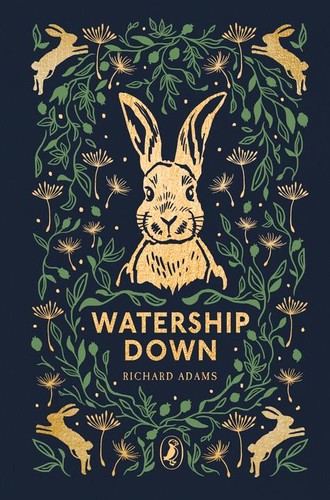
1. TL;DR
A four-star adventure that reads really well as an adult.
- A search for a new home becomes an absorbing survival story.
- Freedom versus dictatorship gives the journey a sharper edge.
- Detailed countryside, rabbit folklore and real danger reward a patient reader.
Worth your time if you want an absorbing adventure and are happy to give it room to unfold.
Table of Contents
2. At a Glance⌗
- Title: Watership Down.
- Author: Richard Adams.
- Genre: Animal adventure / fantasy.
- Number of pages: varies by edition; 474–482 pages in the two 2012 paperback records checked.
- First published: 1972.
- Audiobook available: yes; the Peter Capaldi unabridged edition is listed at 17 hours 30 minutes.
- Estimated reading time: several reading sessions. This is a substantial novel to settle into.
3. Dadbot Rating⌗
⭐⭐⭐⭐☆ 4/5
- Worth your time? ✅
- Would I read it again? ✅ Yes
- Would I recommend it? ✅
4. What’s It About?⌗
Watership Down follows a group of rabbits searching for a new home. Fiver senses danger coming to their warren, the network of burrows where they live. His brother Hazel listens, and a small group leaves to find somewhere safe.
The journey takes them through a countryside full of hazards. A river becomes a serious obstacle; unfamiliar sounds in a wood can mean something is hunting nearby. Adams makes the scale of rabbit life matter. Getting across a field involves rather more planning when you are a possible meal.
Alongside the journey runs a question about the kind of home worth finding. Different warrens have different rules, leaders and expectations. Food and shelter are essential, but the rabbits also need to work out whom to trust and how much control they are prepared to live under.
That gives the novel plenty to work with: a survival story, a richly described landscape and a look at how communities organise themselves. The immediate problems keep the adventure moving, while the larger questions give it something to leave you thinking about.
5. What I Loved⌗
It reads really well as an adult. The storytelling is a strong reason to pick it up. The rabbits’ problems are concrete enough to draw you in quickly: finding food, crossing unfamiliar ground and keeping an exhausted group moving. From there, the book opens out into questions about belonging, power and the sort of life its characters want.
The mixture works because those questions grow out of the journey. A decision about where to live also means deciding whose rules to accept. Listening to a warning means considering whether to leave a place that still looks perfectly comfortable. There is plenty here for an adult reader to recognise.
The countryside gives the adventure its shape. Adams pays attention to flowers, ditches, grass, water and woodland sounds. The opening makes an ordinary stretch of ground feel full of possibilities and things to be wary of. A patch of cover or a safe place to rest can matter enormously at rabbit height.
That detail gives the journey a satisfying physical presence. You get a sense of the effort involved in moving through the landscape, and why a particular place might seem inviting or dangerous. It makes the search for a home feel like a real undertaking.
The rabbits have a culture of their own. Their folk stories give the book another rhythm alongside the travelling. The early tale of El-ahrairah, their legendary rabbit hero, introduces a world of enemies, quick thinking and survival. Stories become part of how the rabbits understand their place in that world.
There is something appealing about a group carrying its stories with it. Even when the surroundings are unfamiliar, the tales give the rabbits something shared. Those pauses also offer a different kind of pleasure from the immediate business of getting through the next stretch of countryside.
Freedom versus dictatorship gives the book real bite. Efrafa, a warren ruled by General Woundwort, is the clearest example. Its rabbits live under close control, with officers, sentries and regulated feeding times. Safety is bound up with obedience, and ordinary rabbits face harsher punishment than the privileged ruling group.
The contrast with the community Hazel tries to build is striking. One approach makes room for different abilities and ideas; the other concentrates power and restricts everyday life. The political interest is in how those arrangements feel to the rabbits living inside them. Who gets listened to? Who gets privileges? How much of your life belongs to whoever is keeping you safe?
For me, that is a strong way to read the novel. The danger outside the burrow makes the promise of protection convincing, which gives the loss of freedom some weight. A place can offer shelter and still be a miserable place to live. The book gives that thought a very concrete setting.
And yes, Bigwig is a favourite. His bluntness, courage and occasional impatience give him plenty of presence. He adds character to an adventure whose landscape, stories and ideas already make it worth spending time in.
6. What Didn’t Work⌗
The pacing asks for patience. The opening spends time establishing the landscape and rabbit society. If you like a novel that moves briskly from one event to the next, the descriptions may feel slow. Their detail is part of the book’s appeal, so enjoying that pace makes a difference to the experience.
There is vocabulary to settle into. Terms such as Owsla, the strong or clever rabbits surrounding a warren’s chief, arrive alongside unfamiliar names and explanations of rabbit life. The early pages ask you to learn the setting as well as follow the journey. Reading a little more at a time may help the names and relationships settle.
The danger can be unsettling. Fear, exhaustion and the possibility of being killed are present from the opening chapters. That tension gives the journey its stakes. If you are choosing the book for a child, consider how that particular reader handles animal danger and suffering.
For a busy reader, the main practical commitment is length. The checked paperback editions approach 500 pages, and the named audiobook runs to 17 hours 30 minutes. This is worth choosing when you want to stay with one story for a while.
7. Best Quote⌗
“But first they must catch you”
The line comes from one of the rabbits’ own stories. It has a lovely bit of defiance about it: being vulnerable still leaves room for resourcefulness and a little cheek. It captures something of the spirit that makes the adventure enjoyable.
8. Biggest Takeaway⌗
A home needs room for a life. Food, shelter and protection matter, and so do being heard, contributing something useful and having choices about how to live.
The novel makes that question interesting by giving its communities different ways of answering it. The useful thing to notice is what each arrangement asks its inhabitants to give up, and who benefits from the rules.
9. Dadbot Verdict⌗
Yes, Watership Down is worth your time as an adult. Four stars feels right. It reads well, builds a world worth spending time in and combines an involving adventure with questions about freedom, leadership and belonging.
The best fit is someone who enjoys a detailed setting and a story with room to unfold. If you are unsure about the pace, try the opening chapters. They give a good sense of the attention Adams gives the countryside and the rabbit world.
10. Shelf Life⌗
📘 Buy It
This is one I would read again. A copy earns its place if you enjoy returning to a substantial adventure, with the landscape and embedded stories offering plenty to revisit. Borrowing it first is a sensible option if you want to see how you get on with the style.
11. One Sentence Review⌗
A four-star rabbit adventure with a vivid world, plenty of tension and some uncomfortable questions about the price of safety.